
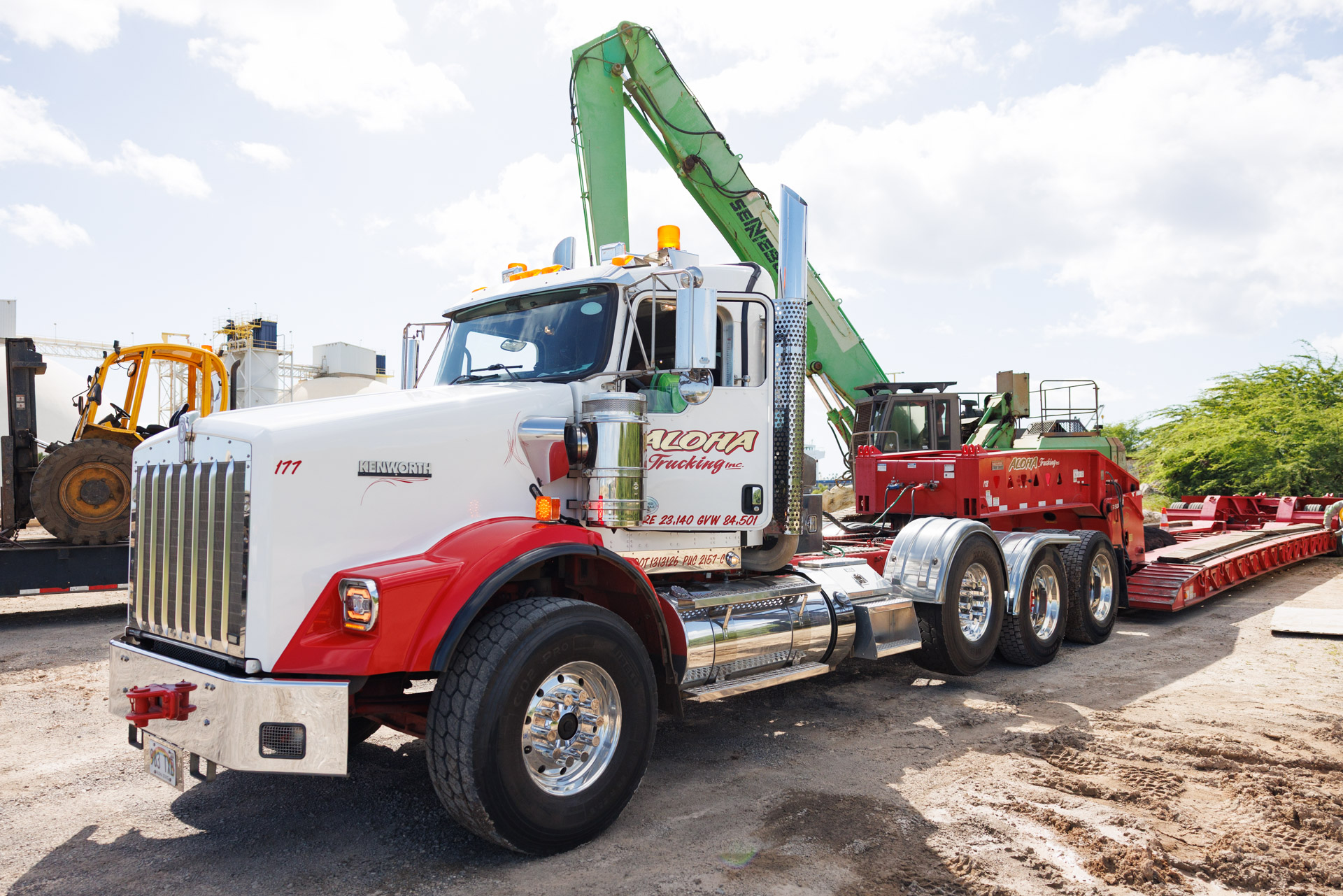
A lowboy trailer service provides specialized transport for heavy equipment, extra-tall machinery, and oversized loads that standard trailers cannot handle. Choosing the correct provider requires careful planning around cargo dimensions, weight limits, route permits, and site access. Proper evaluation prevents project delays and protects high-value industrial machinery during transit across island roadways.
What Cargo Size and Weight Require a Lowboy Trailer?
Lowboy trailers feature a dropped deck design that lowers the center of gravity and allows legal clearance for tall industrial equipment. Equipment exceeding ten feet in height or weighing over forty thousand pounds typically needs this specialized transport setup.
Standard flatbed trailers sit higher off the ground, creating risk when hauling massive excavators, bulldozers, or heavy cranes. Lowboy configurations place the cargo deck extremely close to the asphalt. This low position provides extra vertical room when driving under utility lines or overpass structures. Checking exact equipment length, width, height, and gross weight remains the first step before calling a dispatcher. Accurate figures ensure the carrier sends a rig with sufficient axles and legal capacity.
How Do You Assess Job Site Access and Loading Space?
Loading heavy equipment requires ample flat ground, firm terrain, and wide turning areas for large truck combinations. Job sites with steep inclines, mud, or tight street access need pre-planning to avoid loading delays.
- Ground Surface: Unpaved dirt lots require firm compaction to support total load weight without sinking during loading.
- Turning Radius: Long tractor-trailers need wide turn angles to navigate tight island roads, gates, and entry ramps safely.
- Overhead Clearances: Tree branches, utility service lines, and low gate frames create hazards during loading and unloading.
Drivers must detach the front gooseneck to let drive-on equipment roll smoothly onto the low deck. That operation demands flat, solid ground directly in front of the trailer. Communicating site limitations beforehand allows haulers to plan alternative loading spots or bring secondary ramps.
Which Route Permits and Regional Regulations Apply?
Oversized loads that exceed standard width or weight rules require special highway permits from local transportation agencies. Obtaining these legal approvals takes time and requires route planning around weight-restricted bridges or narrow roads.
Moving massive construction machinery involves checking municipal rules for legal travel hours. Certain routes restrict oversized transport during morning and evening commute windows. Heavy transport experts inspect roads beforehand to identify low clearance points or weight limits on local bridges. Securing proper paperwork in advance prevents costly government fines and keeps construction schedules running on time.
Why Does Equipment Securing and Deck Style Matter?
Different equipment shapes require specific trailer deck types, such as removable gooseneck (RGN) or fixed-neck designs, alongside proper tie-down rigging. Correct load securing prevents equipment shifts that cause balance issues or highway hazards.
RGN lowboys allow heavy construction rigs to drive straight onto the deck from the front, minimizing rollover risks during loading. Fixed-neck options work well for items loaded with cranes or fork trucks. Operators must secure cargo using heavy-duty chains and ratchet binders rated for the exact weight class. Professional riggers check tension levels before departure and recheck connections during transit stops to maintain load stability.
How Do You Evaluate Carrier Safety Records and Experience?
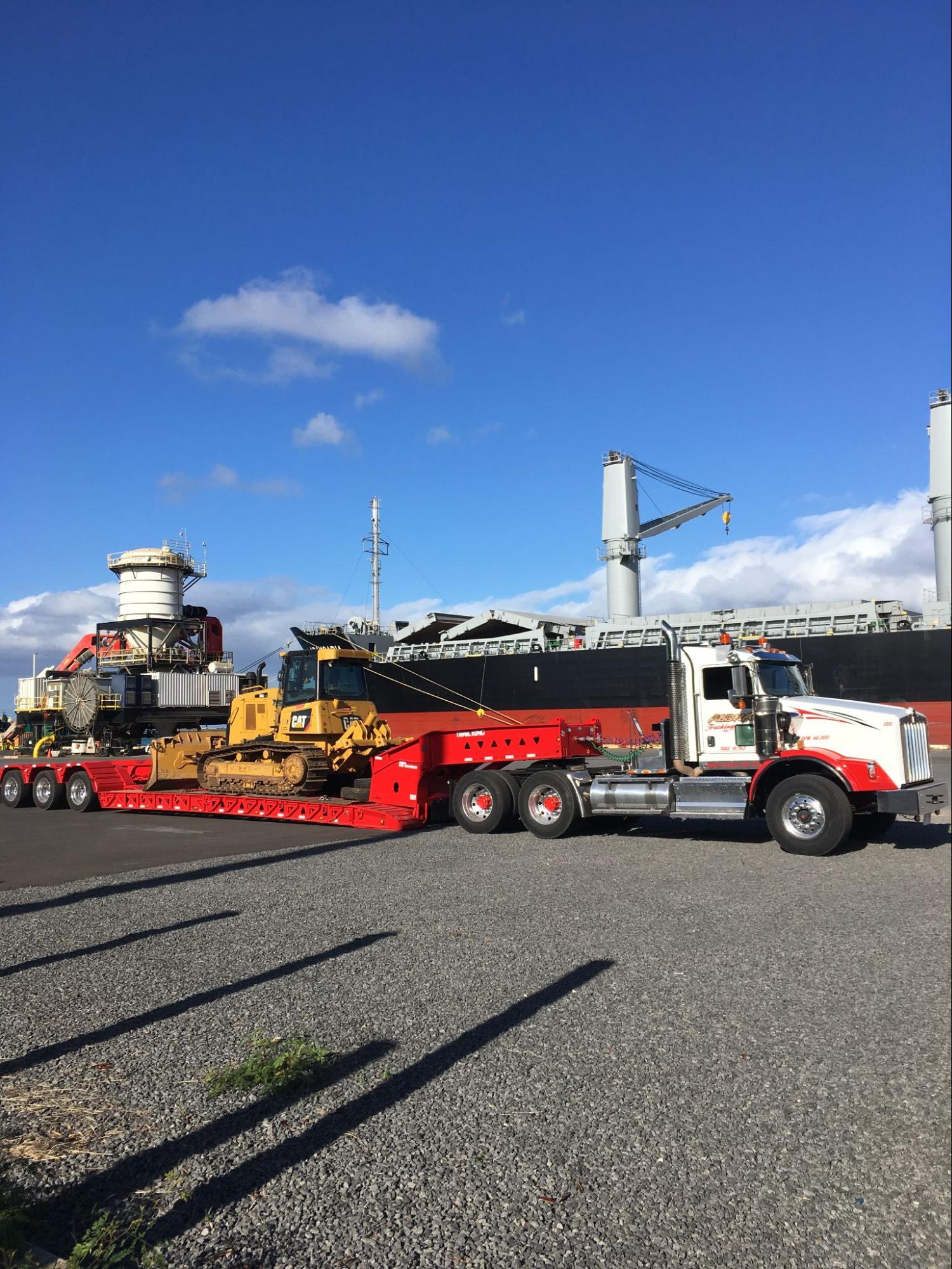
Working with an experienced transport provider guarantees skilled drivers, reliable fleet maintenance, and proper insurance coverage for heavy cargo. Checking credentials protects your capital investment from accidental damage or site delays.
Heavy machinery transport requires specialized driving skills, particularly when navigating narrow island turns or steep mountain passes. Inquire about driver safety records, commercial insurance coverage limits, and specialized hauling history. Companies maintaining clean fleets, like distinctive white trucks, show pride in equipment upkeep and operational standards. Skilled dispatch teams maintain clear communication to keep every delivery phase running smoothly.
Frequently Asked Questions
What makes a lowboy trailer different from a standard flatbed?
Lowboy trailers feature two drops in deck height, placing the hauling surface very close to the ground. This low height allows tall equipment to travel legally without hitting overhead obstacles. Standard flatbeds feature a flat, high surface suitable for uniform freight rather than oversized machinery.
How far in advance should I book heavy equipment transport?
Booking at least one to two weeks early gives dispatchers time to review route requirements and secure necessary permits. Complex moves involving extreme weights or extra-wide dimensions may require additional lead time for site planning.
Who is responsible for loading the machinery onto the lowboy deck?
The equipment owner or site operator usually provides an experienced driver to load and unload self-propelled machinery. Transport drivers handle deck placement, gooseneck detachment, and structural tie-down procedures to ensure total transit safety.
What information do I need when requesting a hauling quote?
You need to provide the exact equipment make, model, weight, and total dimensions, including width and height. Providing clear pickup and drop-off addresses along with site access notes ensures an accurate price quote.
Dependable Heavy Hauling for Your Projects
Managing heavy equipment transport requires an experienced partner dedicated to safety, punctuality, and clear communication. Aloha Trucking Inc. brings local transport experience, reliable white fleet trucks, and skilled operators to keep your job sites moving on schedule. Contact us today to discuss your transport needs and request a prompt hauling quote.